
Aerial view of the Acquafredda coastline near Maratea, Basilicata
Beaches

Basilicata Coast Guide: Best Beaches, Maratea and Where to Swim

Wikimedia Commons

A practical guide to the best beaches in Basilicata, covering Maratea's dramatic coves on the Tyrrhenian coast and the long sandy shores of the Ionian coast near Metaponto, Policoro and Nova Siri — with real detail on access, water, crowds and how to choose.

Basilicata is Italy's most overlooked stretch of southern coastline, wedged between Campania and Calabria on one side and Puglia on the other, with two very different seas to show for it. On the Tyrrhenian side, the short but dramatic Maratea coast packs cliffs, pine woods and hidden coves into about 30 km of shoreline. On the Ionian side, the coast opens out into long, flat stretches of sand near Metaponto, Policoro and Nova Siri, backed by dune pine forests and ancient Greek ruins rather than cliffside villages. This guide is for anyone planning a beach trip to Basilicata for the first time, whether you're basing yourself in Maratea for a few days or passing along the Ionian coast between Puglia and Calabria. It covers ten beaches already featured on Feriae Italia, split between the two coasts, with a straightforward look at what each one is actually like: the kind of sand or pebble underfoot, how crowded it tends to get, how hard it is to reach, and who it suits best. Basilicata's beaches vary a lot within a short distance, from boat-only coves to long free stretches of dune and pine forest, so a bit of planning goes a long way. Details like bus times, parking and beach club setups can also change season to season, so treat the practical notes here as a starting point and confirm anything time-sensitive locally before you go.

Acquafredda: Maratea's Northern Coves

Acquafredda coastline near Maratea, Basilicata
Acquafredda is Maratea's northernmost stretch, really two coves in one: wilder, sandier Anginarra and calmer, better-equipped Luppa, split by a low ridge of rock. Luppa has small rental kiosks for loungers and umbrellas, while Anginarra stays largely open and undeveloped. The water is clear and good for swimming and snorkelling, though the seabed is mostly pebbles and gravel rather than fine sand. This is one of the more accessible Maratea beaches, with a train station close to the coast, useful if you're travelling without a car. Crowds are usually moderate and ease off outside peak August. - Best for: swimming, snorkelling and an easier arrival without a car. - Good to know: pack water shoes, since both coves are pebbly rather than sandy.

Spiaggia Nera (Cala Jannita): Maratea's Dark-Sand Cove
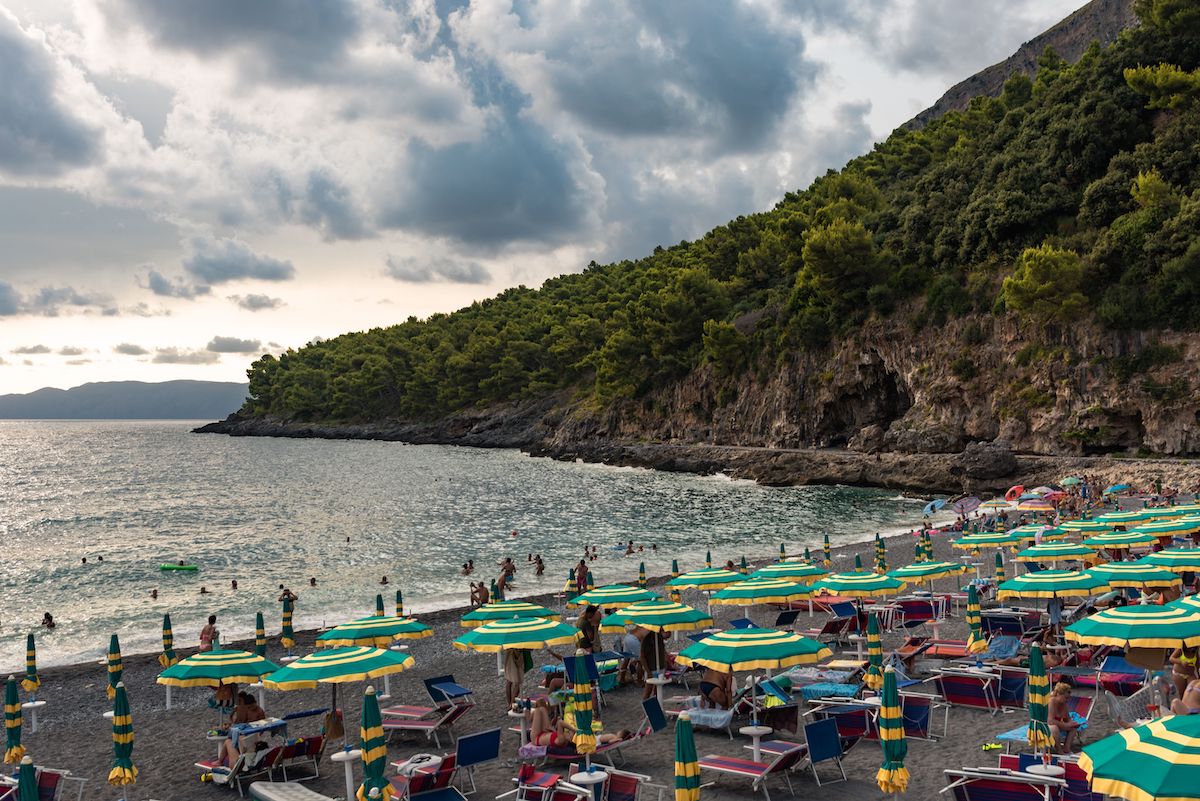
Spiaggia Nera dark-sand beach in Maratea
Spiaggia Nera (Cala Jannita) is Maratea's most photographed beach, known for its dark, almost volcanic-looking sand and pebbles against clear blue water and green cliffs. It's a scenic, slightly wild cove rather than a polished resort beach, and it's on the smaller side, so it can fill up quickly in peak summer. Access is by car or scooter, then a path or steps down - there's no simple train-to-beach route. The seabed is pebbly and deepens fairly quickly, so it suits confident swimmers more than young children. - Best for: scenic swimming, snorkelling and photos rather than a full-service beach day. - Good to know: arrive early or visit outside August, since the beach is small and fills fast.

Spiaggia d'i Vranne: Boat-Only and Award-Winning
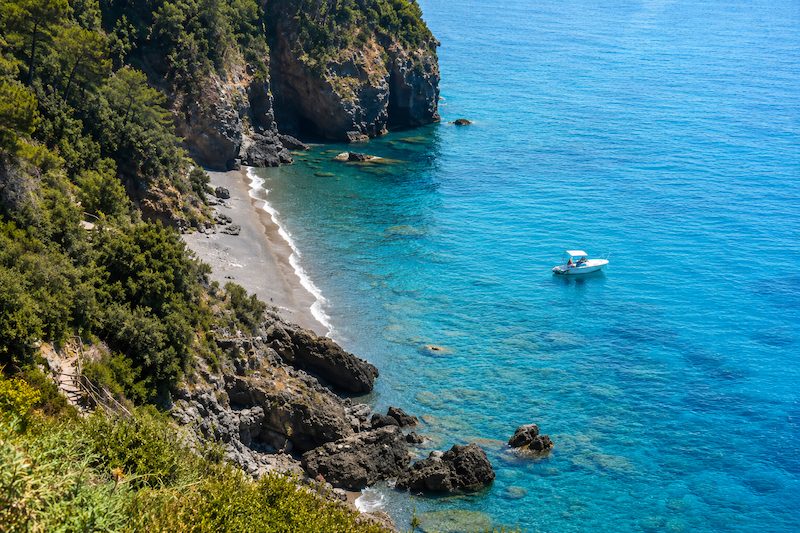
Spiaggia d'i Vranne, a boat-only cove near Maratea
Vranne is a boat-only cove beneath a sea cliff near Marina di Maratea, with no path down and no development at all. Its dark, fine sand, clear water and untouched setting earned it Italy's most beautiful beach award from Legambiente in 2016. Treat it as a boat-trip destination rather than a regular beach: you'll need to hire a boat or join an excursion from Maratea's port, and bring everything with you, since there are no facilities. Crowds stay low simply because of the access, which is the main draw for a quieter swim. - Best for: a quiet swim and snorkelling as part of a boat trip, not a walk-in beach day. - Good to know: check sea conditions before heading out, as there's no shelter if weather turns.

Macarro Beach: A Sheltered Cove Near Marina di Maratea
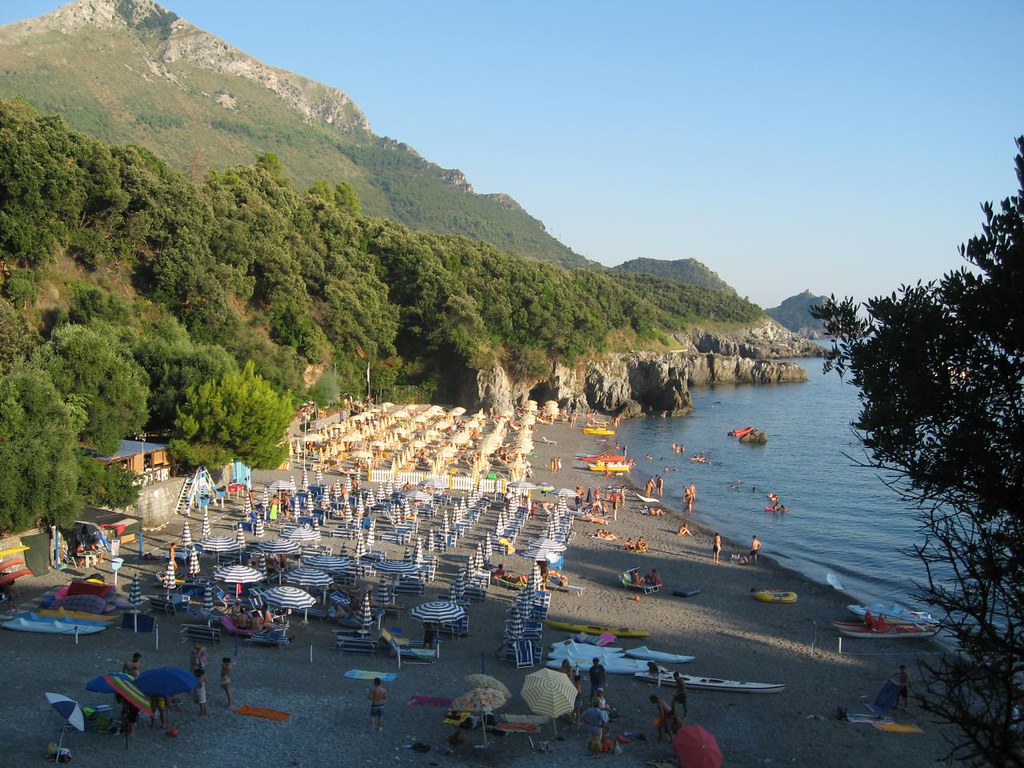
Macarro Beach cove near Marina di Maratea
Macarro (also called Cala Grande) sits in a sheltered bay enclosed by rock walls, backed by pine woods, just south of Marina di Maratea. The sand runs darker than most of the Tyrrhenian coast, mixed with pebbles, and the clear water is good for both swimming and snorkelling around small caves and rocky shallows. It's one of the more accessible coves on this stretch, with a train station a short walk away. It's also one of the busier beaches, so early arrival helps on summer weekends. - Best for: swimming and snorkelling with relatively easy, car-free access. - Good to know: arrive early on July–August weekends, as parking and space fill up fast.

Fiumicello Beach: An Easier Day by the Sea
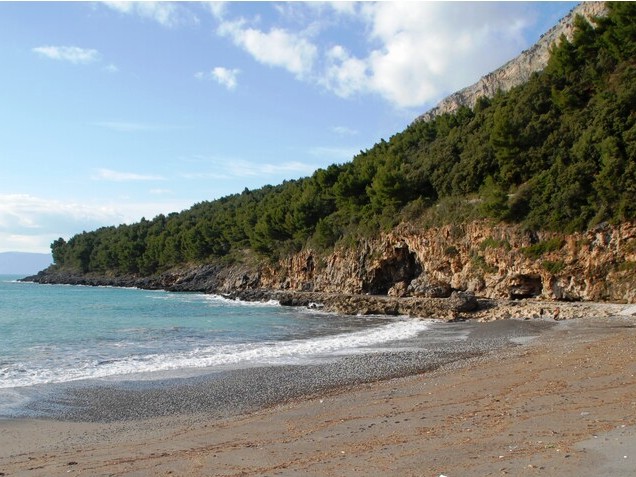
Fiumicello Beach in Maratea, Basilicata
Fiumicello is one of Maratea's most practical beaches, without the steep paths or bare-bones facilities of some smaller coves nearby. The shoreline is pebbly with clear water, and it's a straightforward pick for families, couples or anyone who'd rather not plan hard around access. It's easiest to reach by car or scooter; getting there by train usually still means a taxi or local bus for the final stretch. Like most of this coast, water shoes help with the pebbly seabed, and June or September are calmer than peak summer. - Best for: an easier, lower-effort beach day, including for families. - Good to know: book ahead in peak season if you want sunbeds set up in advance.

La Secca di Castrocucco: A Calm, Lagoon-Like Bay
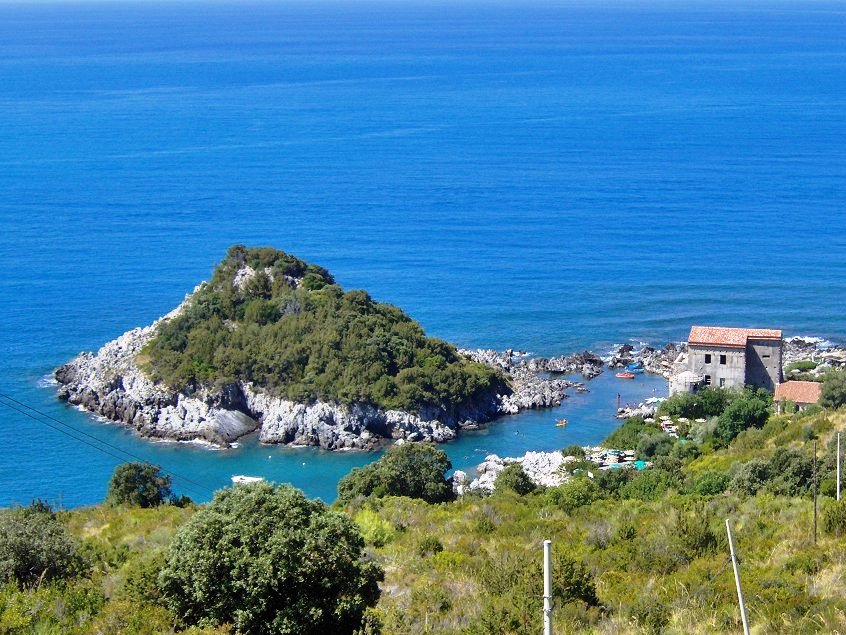
La Secca di Castrocucco, a calm bay near Maratea
At the southern tip of the Maratea coast, La Secca di Castrocucco is known for unusually calm, clear water often compared to a natural pool, set inside a small bay with a green islet just offshore. It's a good pick for snorkelling and for a calmer, more sheltered swim than the coast's more exposed coves. There's no free public section here - access is through the bay's beach clubs, so budget for a paid day rather than hunting for open sand. It's reached by car or taxi rather than on foot. - Best for: calm-water swimming, snorkelling and a relaxed sunset. - Good to know: book ahead in high season, since space at the beach clubs is limited.

Metaponto Lido: Golden Sand on the Ionian Coast
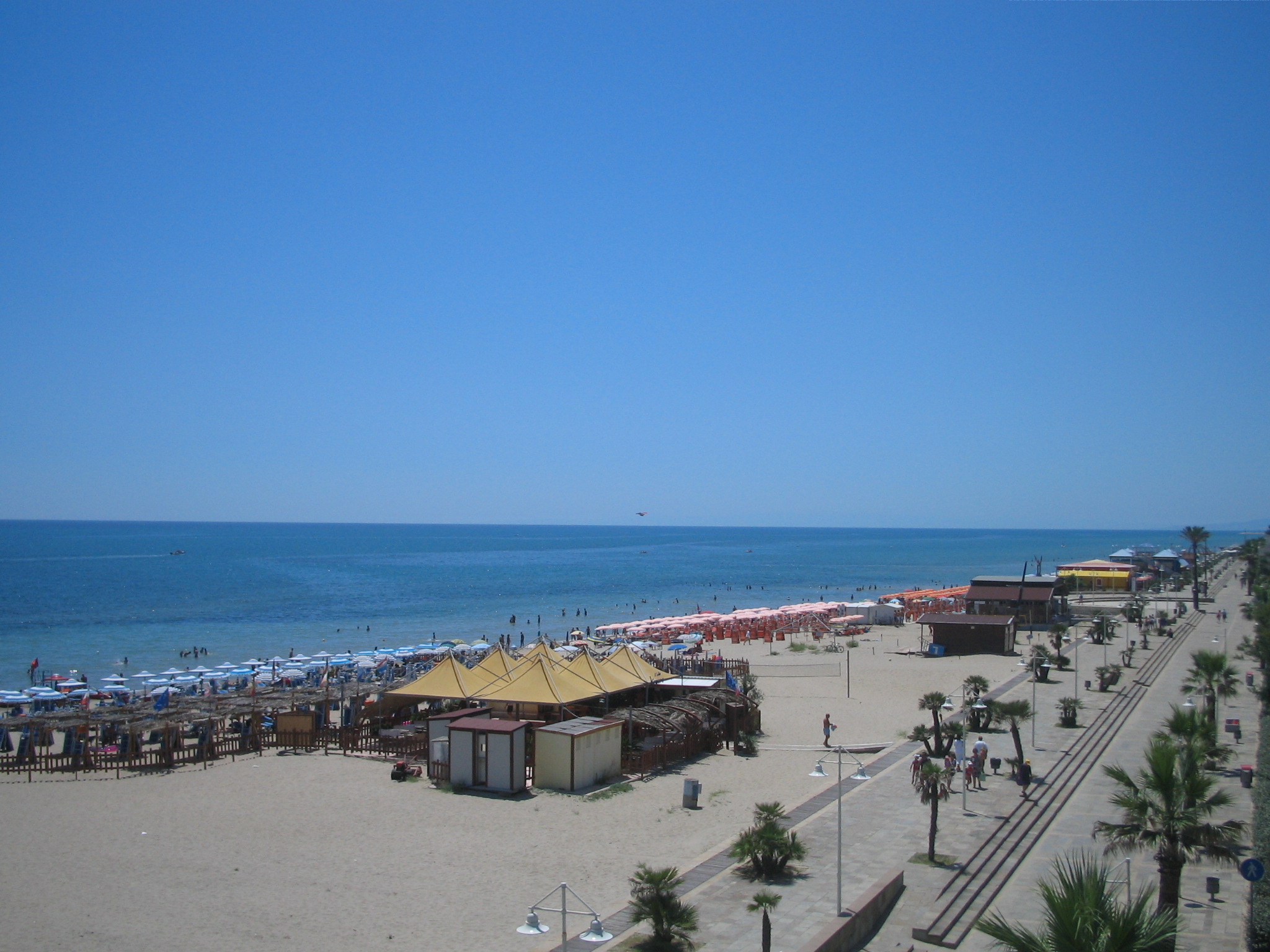
Metaponto Lido beach on Basilicata's Ionian coast
Metaponto Lido marks the shift from Maratea's rocky coves to Basilicata's long, flat Ionian shore. The sand is fine and golden, the sea shallow for a good distance out, and the beach holds Blue Flag status, making it one of the region's more reliable family picks. The central stretch near Viale Nettuno is dense with beach clubs, so walk further along the shore for open, unassigned sand. It's one of the easier Basilicata beaches to reach without a car, with a station on the Ionian coastal line nearby. - Best for: families and an easy, sandy beach day with services nearby. - Good to know: walk away from the central lido stretch for quieter, unassigned sand.

Terzo Cavone: A Wide, Free Stretch of Dune and Pine
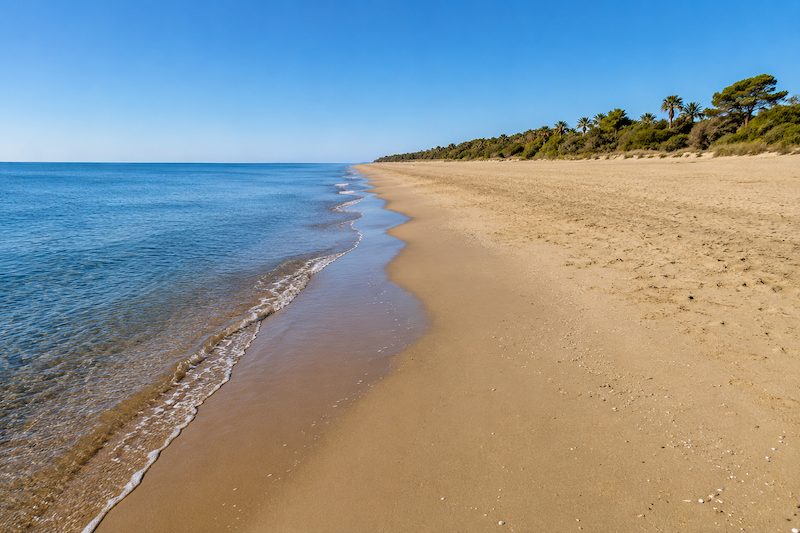
Terzo Cavone beach and pine forest on Basilicata's Ionian coast
Terzo Cavone is the largest free beach on this part of the Ionian coast, a long run of soft golden sand backed by dunes and pine forest, with no paid sections and little in the way of services. The setting is wilder and quieter than most of Basilicata's more developed beaches, and its water has been rated highly for cleanliness. There's no train directly to the beach, so plan on a taxi or transfer, plus a walk through the pine wood from parking to the sand. Bring your own water, shade and food. - Best for: travellers wanting open, undeveloped coastline and a low-key crowd. - Good to know: services are minimal, so come prepared with your own supplies.

Policoro Beach: Long Sand Near Ancient Heraclea
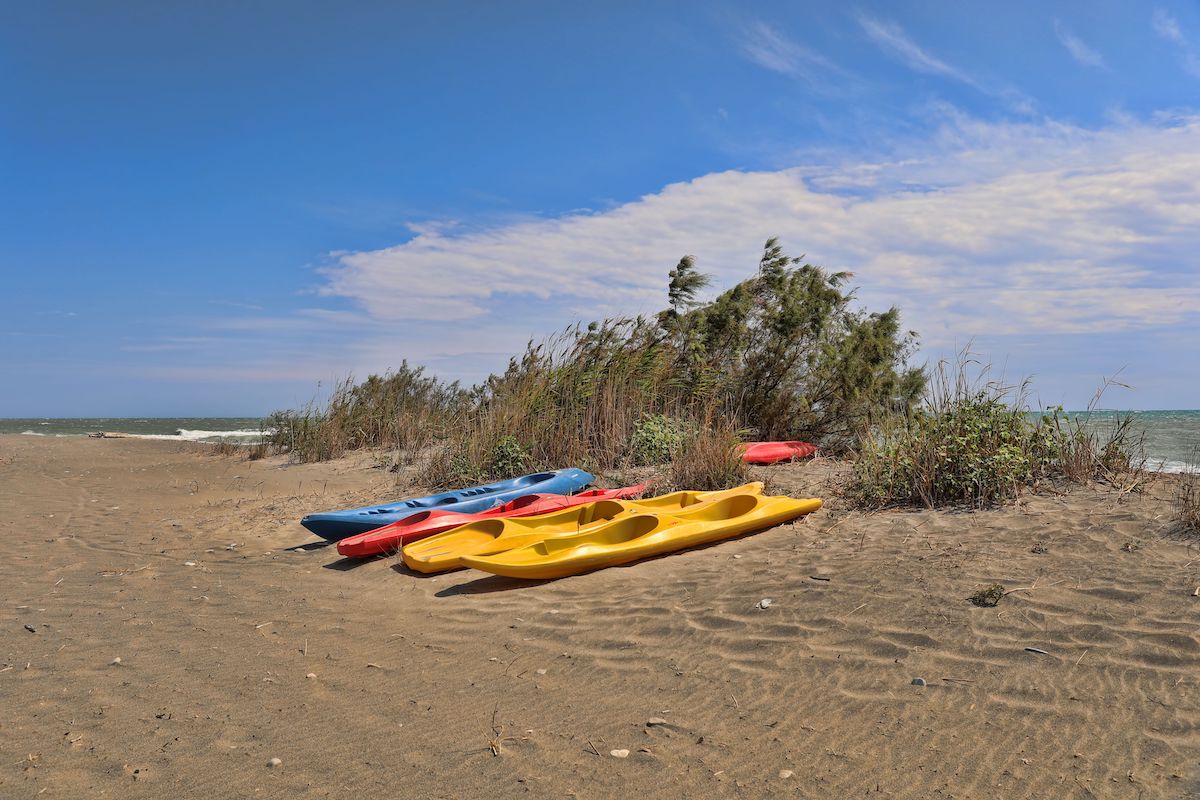
Policoro Beach on Basilicata's Ionian coast
Policoro is one of the easiest Basilicata beaches for a classic sandy beach day. The long Ionian shoreline has beach clubs mixed with free sections, shallow water in many areas, and a more spacious feel than the smaller coves around Maratea. It works especially well for families or travellers who want an easier, flatter beach with services nearby. The beach is not as dramatic as the Tyrrhenian coast, but it is practical, sunny and useful if you are exploring southern Basilicata or visiting the nearby Heraclea archaeological area. - Best for: families, sandy beach days and easy access. - Good to know: the quieter southern end near the WWF Oasis usually feels more natural than the central lido area.

Nova Siri Marina: Blue Flag Coast Near the Calabria Border
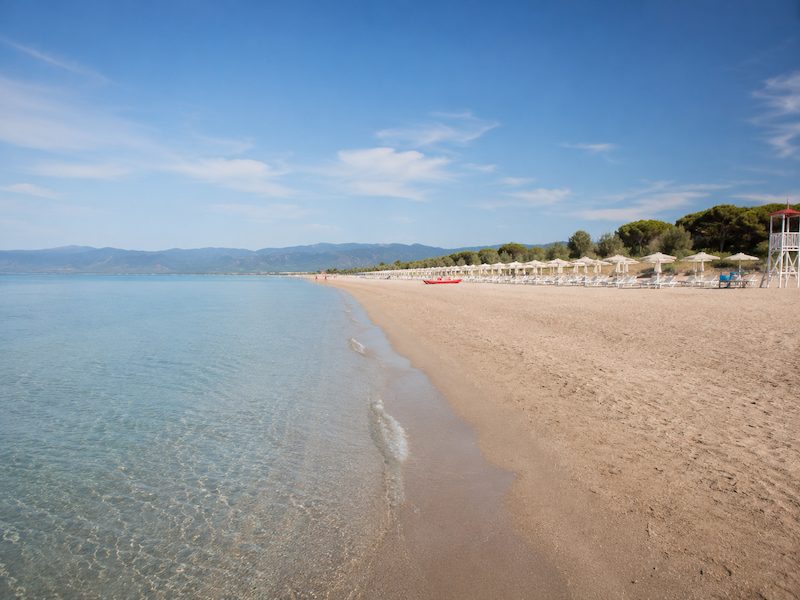
Nova Siri Marina beach on Basilicata's Ionian coast near Calabria
Nova Siri Marina sits near Basilicata's border with Calabria, and its beach has held Blue Flag status for several years running. Much of this coastline stays open and free rather than parcelled into beach clubs, backed by dune and pine forest that suits long shoreline walks more than a single fixed spot. It's reachable via a station on the Ionian coastal line, a short walk or taxi ride from the beach. Since services are spread thin along the free stretches, it's best to bring your own umbrella, water and food. - Best for: a quieter, more open beach day away from developed resorts. - Good to know: bring your own supplies, as free stretches usually have limited services.

Practical Tips for Visiting Basilicata's Beaches

Basilicata's two coasts behave differently, so it's worth planning around that rather than treating the region as one beach destination. Maratea's coves are compact, often reached by paths, steps or short boat rides, and several (like Vranne) have no facilities at all - pack water shoes for the pebbly seabeds and confirm access before setting off, especially for boat-only spots. The Ionian coast, by contrast, is flatter and easier for driving between long stretches of sand, with more consistent parking and services, though peak-season crowds concentrate around the central lidos at Metaponto and Policoro. June and September come up repeatedly as the calmer months across both coasts, with July and August bringing the busiest beach clubs and tightest parking. Train access varies a lot by beach - Acquafredda and Marina di Maratea (for Macarro) have stations close to the sand, while several other Maratea coves and most Ionian beaches need a taxi, bus or transfer from the nearest station. Bus schedules and free-shuttle services along both coasts can change season to season, so it's worth checking local timetables close to your travel dates rather than relying on information from a previous summer.

Which Basilicata Beach Should You Choose?

If you want the classic, dramatic Maratea look, Spiaggia Nera and Macarro give you the dark sand and cliffside scenery with reasonably manageable access. For an easier, more practical beach day with facilities close at hand, Fiumicello and Acquafredda's Luppa cove are the more straightforward picks, and Acquafredda also happens to be one of the few Maratea beaches with a train station nearby. If a boat trip is part of the plan, Vranne is worth building a day around rather than treating as a regular beach stop. On the Ionian side, Metaponto Lido and Policoro suit families and anyone wanting long, flat sand with services nearby, while Terzo Cavone and Nova Siri Marina are better for travellers after open, undeveloped coastline and a quieter atmosphere. If you're short on time, pairing one Maratea cove with one Ionian beach gives a fair sense of how different Basilicata's two coastlines actually feel.

Other related articles

Some links may be affiliate links, meaning we may earn a small commission at no extra cost to you. Read more.