Spiaggia d'i Vranne
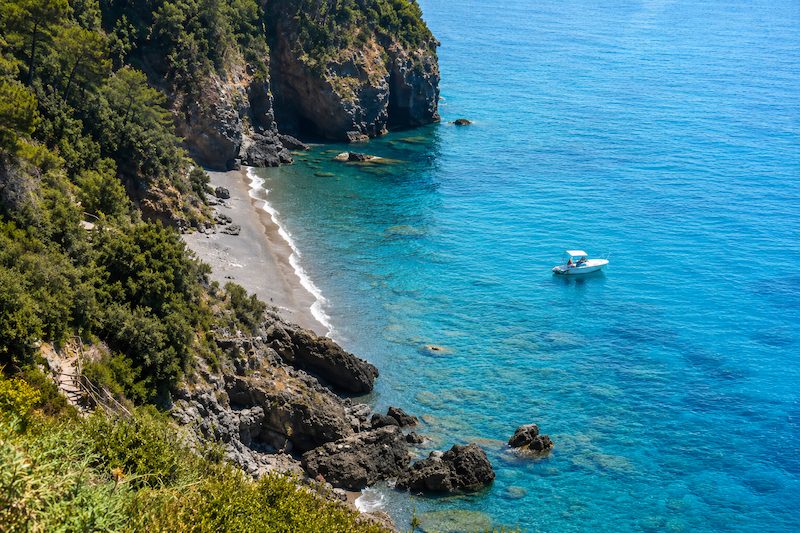
A striking, boat-only stretch of dark sand beneath a sea cliff between Maratea's port and Marina, voted Italy's most beautiful beach in 2016.
Overview
Vranne sits under a cliff on the stretch of coast between the Port of Maratea and the village of Marina di Maratea, split roughly in half by a small cluster of rocks. It's reachable only by boat, kayak, or canoe, which has kept it free of any development. In 2016, it was voted the most beautiful beach in Italy in Legambiente's "La più bella sei tu" competition, based on public votes cross-checked against a panel of experts.
Good for
Public access
Free, in principle, being unmanaged and undeveloped. There is no beach club, no paid entry, and no land route in. The only way to reach it is by sea.
Beach clubs available: No — this is mainly a free/public or natural beach.
How to get there
By train: None - Vranne is only reachable by small boat, kayak, or canoe from the Port of Maratea or from Marina di Maratea, both of which have facilities for hiring boats or joining guided excursions along the coast.
By bus: You'd use Maratea's main station or drive to the Porto or Marina di Maratea, then take to the water from there.
Parking: n.a.
On foot: Not possible. There is no path down to Vranne from the coast road.
Facilities
Practical tips
More about Spiaggia d'i Vranne
Vranne is one of the more unusual entries on Maratea's long list of beaches, precisely because it has no infrastructure at all. Two narrow strips of dark, fine sand sit beneath a rock cliff, divided by a small outcrop, with the Grotta di Giorgio opening onto the sea at the beach's southern tip. Its 2016 Legambiente award as Italy's most beautiful beach reflects a wilder kind of appeal than most developed lidi: the setting, water clarity, and untouched character rather than facilities or convenience. The seabed here supports a substantial meadow of Posidonia oceanica, the seagrass that's often used as a marker of good water quality along Mediterranean coasts, since it doesn't tolerate pollution well. That, combined with the total lack of development, is presumably part of what made the beach stand out in the 2016 judging. Being sea-access only has kept Vranne genuinely quiet compared with most of Maratea's other well-known beaches, but it also means a visit here depends entirely on having, or hiring, a boat, and on current conditions and access rules, which is the piece I'd want confirmed before recommending it without caveats.
Location
Other beaches in Liguria are shown on the map — tap a pin to open its page.
Similar beaches nearby
Auto-suggested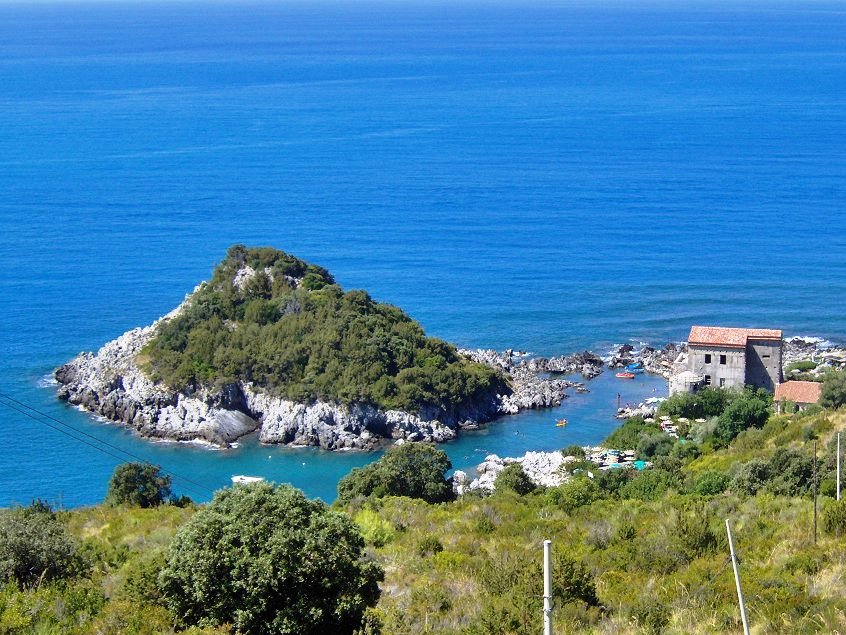 Maratea
La Secca di Castrocucco
A sheltered, lagoon-like cove at the southern tip of the Maratea coast, framed by a small green islet and known for calm, crystal-clear water.
blue flagnatural poolsnorkellingView guide to La Secca di Castrocucco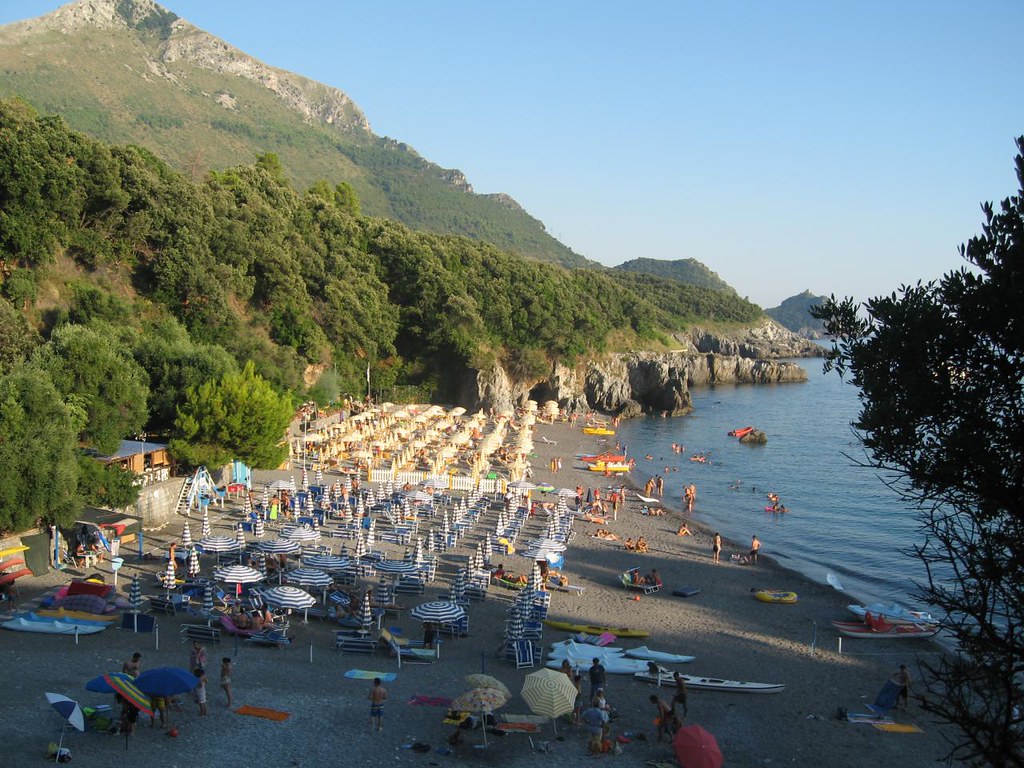 Maratea
Macarro Beach
A pine-backed cove of dark sand and clear water on the Maratea coast, split between a free strip and a long-running beach club.
Protected covepine forestsnorkellingView guide to Macarro Beach Maratea
Acquafredda Beach
Twin pebble-and-sand coves at the northern edge of the Maratea coast, backed by pine woods and cliffs riddled with sea caves.
blue flagsea cavespine backdropView guide to Acquafredda Beach
Related guides
Auto-suggested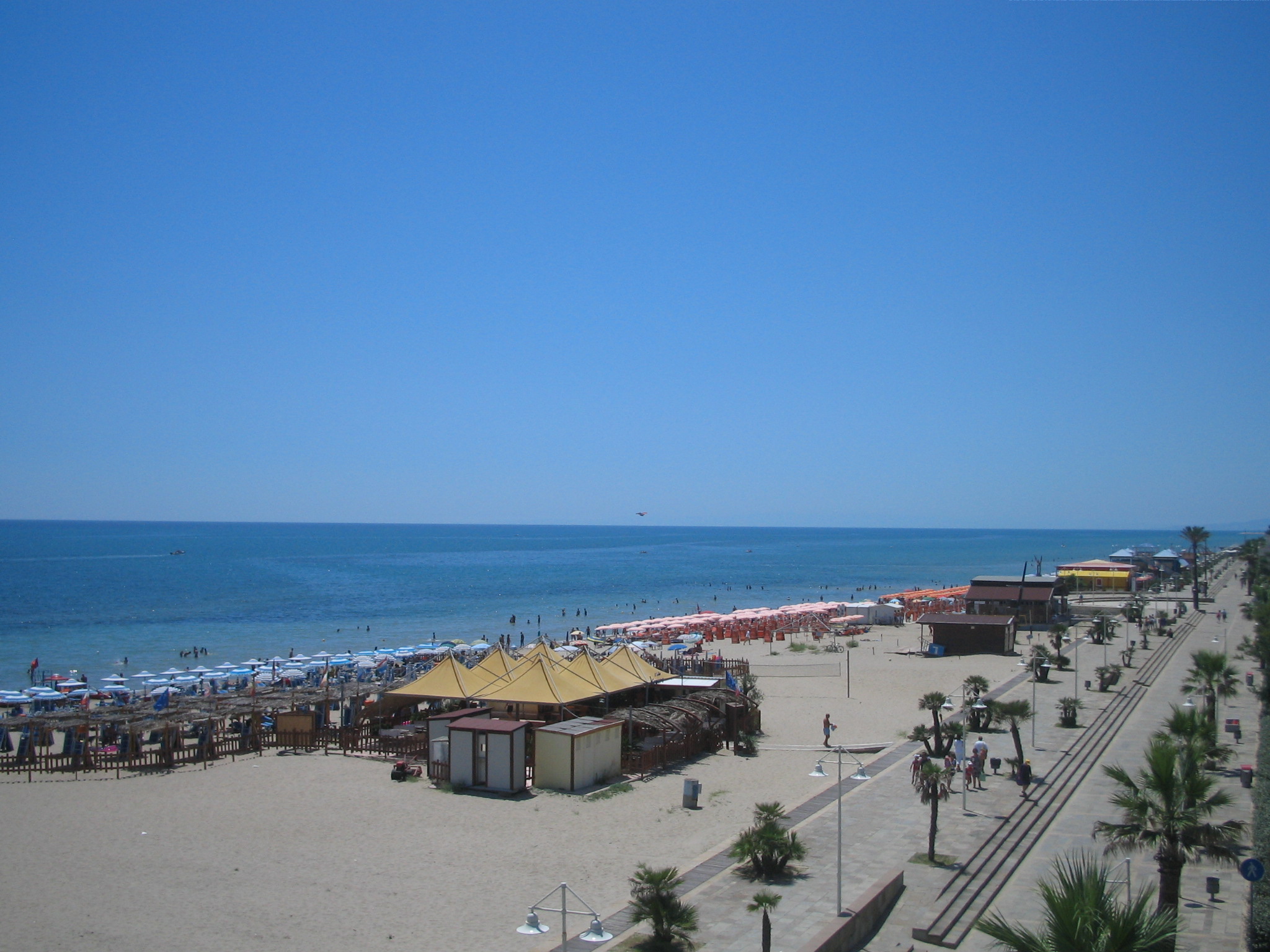 Basilicata
Sandy Beaches in Basilicata: Where to Find Real Sand
Most of Maratea's coast is pebble and dark shingle, but Basilicata does have real sandy beaches, from the wide Ionian shore at Metaponto and Policoro to the boat-only cove of Spiaggia d'i Vranne.
Read guide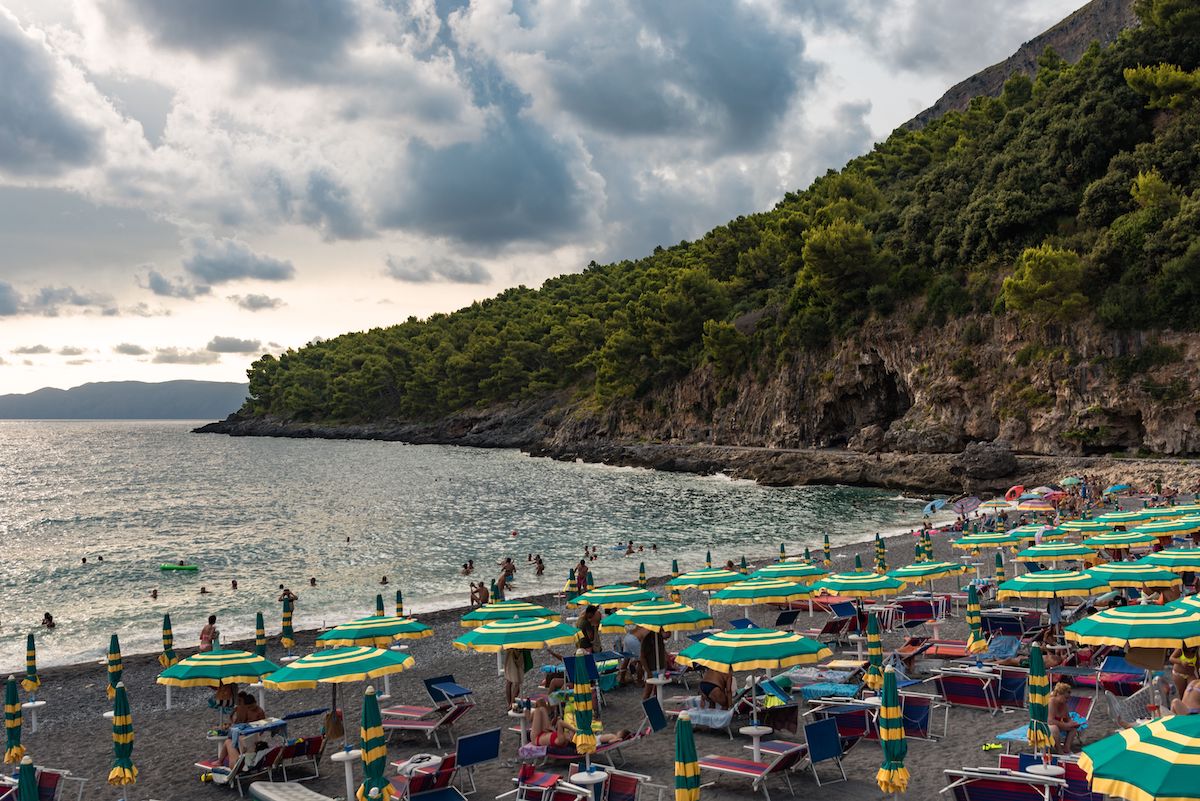 Basilicata
Best Beaches near Maratea: 6 Beaches to Visit
A practical guide to the six main beaches near Maratea on Basilicata's Tyrrhenian coast, from the dark sand of Spiaggia Nera to the boat-only cove of Spiaggia d'i Vranne, covering access, atmosphere and how to choose.
Read guide- Basilicata
Hidden Beaches in Basilicata: Quiet Coves Worth the Extra Effort
The quietest, least developed beaches in Basilicata, from boat-only Spiaggia d'i Vranne to the wide, free sands of Terzo Cavone and Nova Siri Marina.
Read guide
Frequently asked questions
Some links may be affiliate links, meaning we may earn a small commission at no extra cost to you. Read our affiliate disclosure.