Skiing from Cervinia to Zermatt: The Italy-Switzerland Day Trip Guide
Ski

Skiing from Cervinia to Zermatt: The Italy-Switzerland Day Trip Guide

Cervinia's Plateau Rosa cable car crosses straight into Switzerland, making a day in Zermatt one of the most distinctive things you can do on an Italian ski trip. Here's how to plan it.

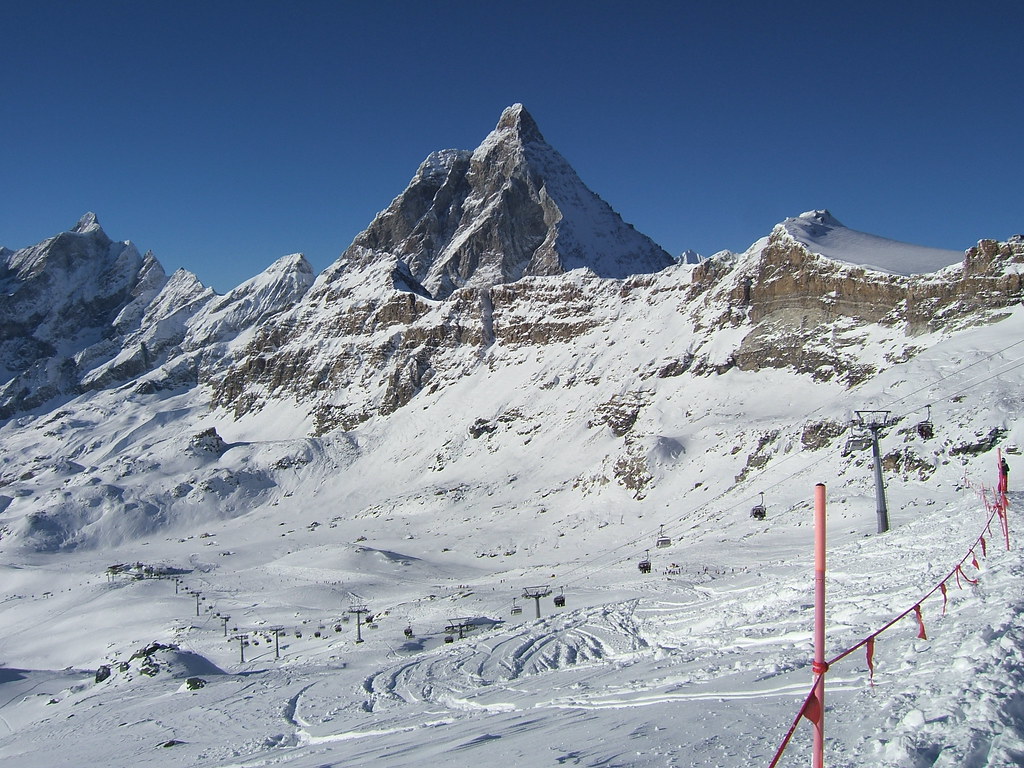
From Cervinia, a cable car ride from Plateau Rosa at 3,480m takes you straight over the border into Switzerland, onto the slopes above Zermatt and within sight of the Matterhorn's more famous north face. Together, the Italian and Swiss sides form the Matterhorn Ski Paradise - one of the highest, largest cross-border ski areas anywhere in the Alps - and a day trip across is one of the more distinctive things you can do on an Italian ski holiday. It isn't automatic, though: you need the right pass, a passport, and a plan for getting back before the lifts close. Here's how to do it properly. Read the full Cervinia guide β†’

The pass you need

The standard Cervinia-only skipass doesn't cover Zermatt. You need the international version, sometimes sold as the Matterhorn Ski Paradise or Cervino-Zermatt pass, which costs more than the Italian-side-only ticket but covers lifts on both sides of the border. Buy it at the ticket office in Cervinia, or check whether your accommodation or tour operator can arrange it in advance - queues at the border cable car can be long on a busy day, and having the right pass sorted before you set off saves time.

The route across

From Cervinia, ride the lifts up to Plateau Rosa at 3,480m. From there, a cable car crosses the border onto the Swiss side, dropping you into the Klein Matterhorn / Matterhorn Glacier Paradise area above Zermatt - at 3,883m, one of the highest points reachable by cable car in Europe. From there, pistes and further lifts take you down towards Zermatt itself, or you can stay high on the glacier and ski back towards Cervinia without ever reaching the Swiss village. If you do want to see Zermatt itself, budget extra time: it's a further descent from the glacier station down into the town, and the return journey - back up and across the border - takes a similar amount of time in reverse.

What to know before you go

πŸ›‚ ID - Bring a passport or valid ID card. Switzerland isn't in the EU, and border checks, while usually light for skiers moving between resorts, do happen. πŸ’Ά Currency - Zermatt uses Swiss francs, not euros. Some places accept euros or cards, but it's worth carrying a small amount of francs, particularly for lifts, food or anything small in the village. ⏰ Timing - Start early. The crossing itself takes time, conditions on the high glacier terrain can close lifts with little notice, and you don't want to be racing the last lift back into Italy in the afternoon. β˜€οΈ Weather - The border crossing runs over some of the highest, most exposed terrain in the whole Matterhorn Ski Paradise. Wind and cloud shut the top lifts more often here than lower down - have a plan B for a bad-weather day.

Is it worth it?

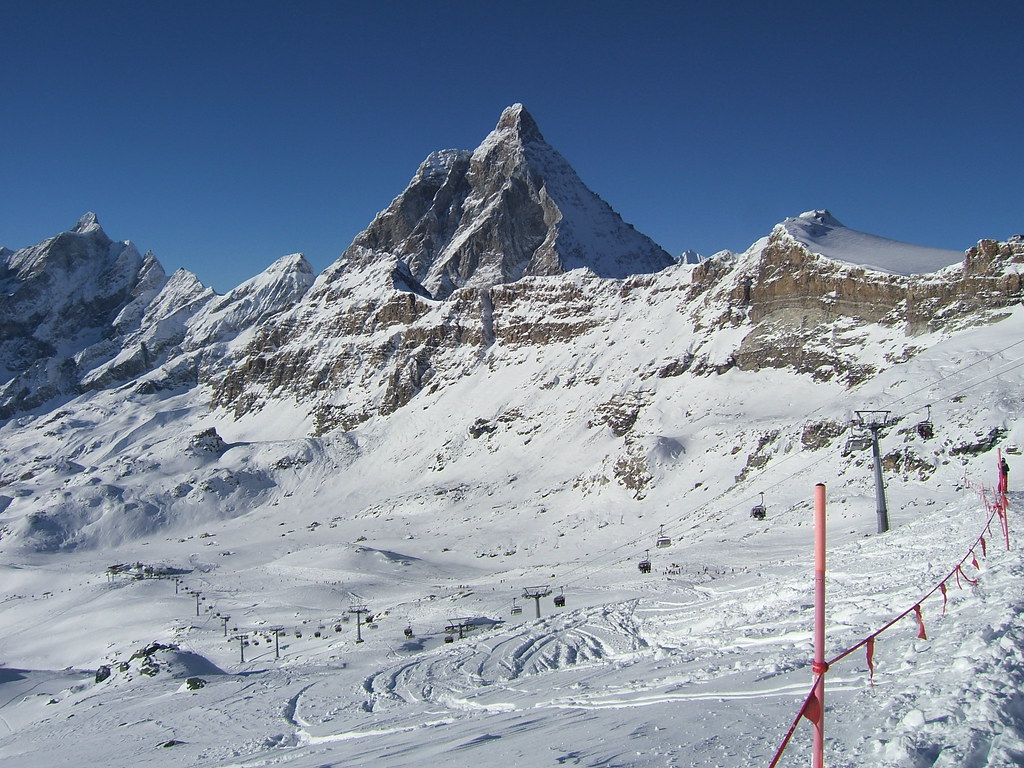
Cervinia beneath the Matterhorn, Aosta Valley
For most skiers staying in Cervinia, yes, at least once. The novelty of skiing between two countries in a single run, the different feel of Zermatt's car-free village, and the closer view of the Matterhorn's north face are hard to get anywhere else in the Italian Alps. It's not a trip for a first day on unfamiliar skis, though: the terrain is high, open and can be genuinely challenging in poor visibility, so it suits skiers already comfortable on Cervinia's own slopes. Read the full Cervinia guide β†’

Other related articles

Some links may be affiliate links, meaning we may earn a small commission at no extra cost to you. Read more.