Bormio vs. Livigno: Which Lombardy Ski Resort Is Right for You?
Ski guides

Bormio vs. Livigno: Which Lombardy Ski Resort Is Right for You?

Bormio and Livigno are only around 38km apart, but they couldn't be more different in character. Here's how to decide between Lombardy's two biggest ski resorts.

Bormio and Livigno are the two biggest names in Lombardy skiing, and both sit in Sondrio province within about 38km of each other via the Munt la Schera road tunnel - close enough that some visitors ski one and visit the other as a day trip. But they're very different resorts in character, history and what they're best at, so the right choice depends on what you're after. Bormio is a historic spa town built around the Stelvio, a World Cup and Olympic downhill course that hosted the men's downhill at the 2026 Winter Olympics, and its skipass links up with the wider Alta Valtellina network. Livigno is a long, high valley town near the Swiss border, best known for its duty-free shopping, long season and well-regarded snowpark. Here's how the two compare.

Bormio - Olympic downhill and Alta Valtellina heritage

Bormio
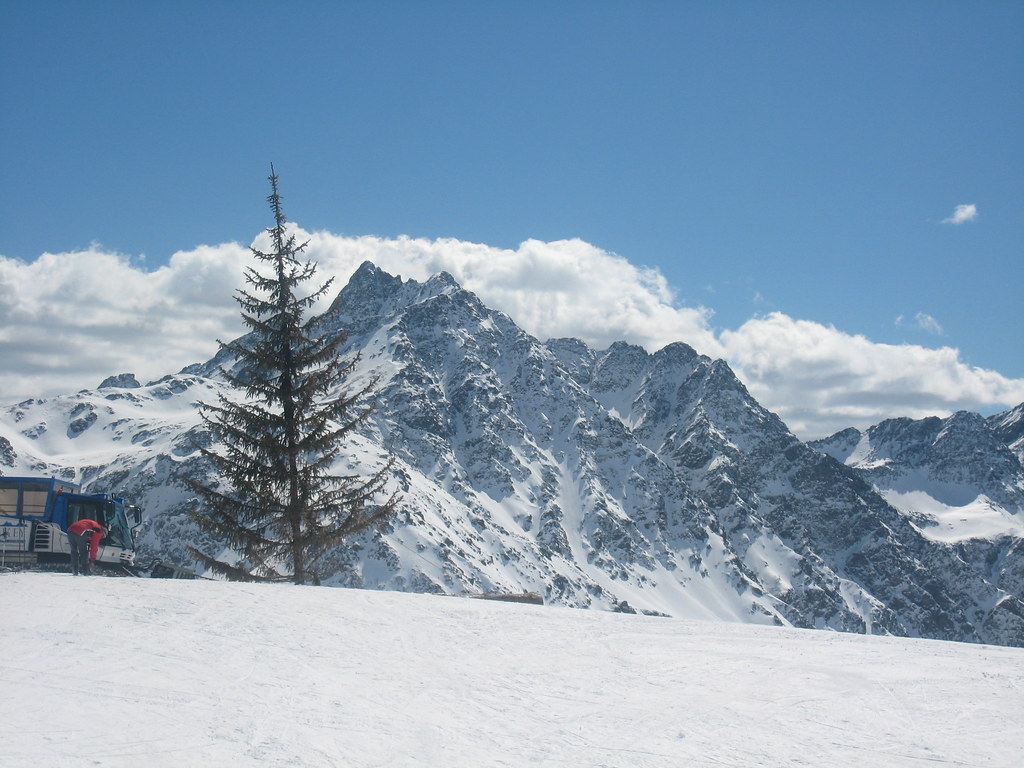
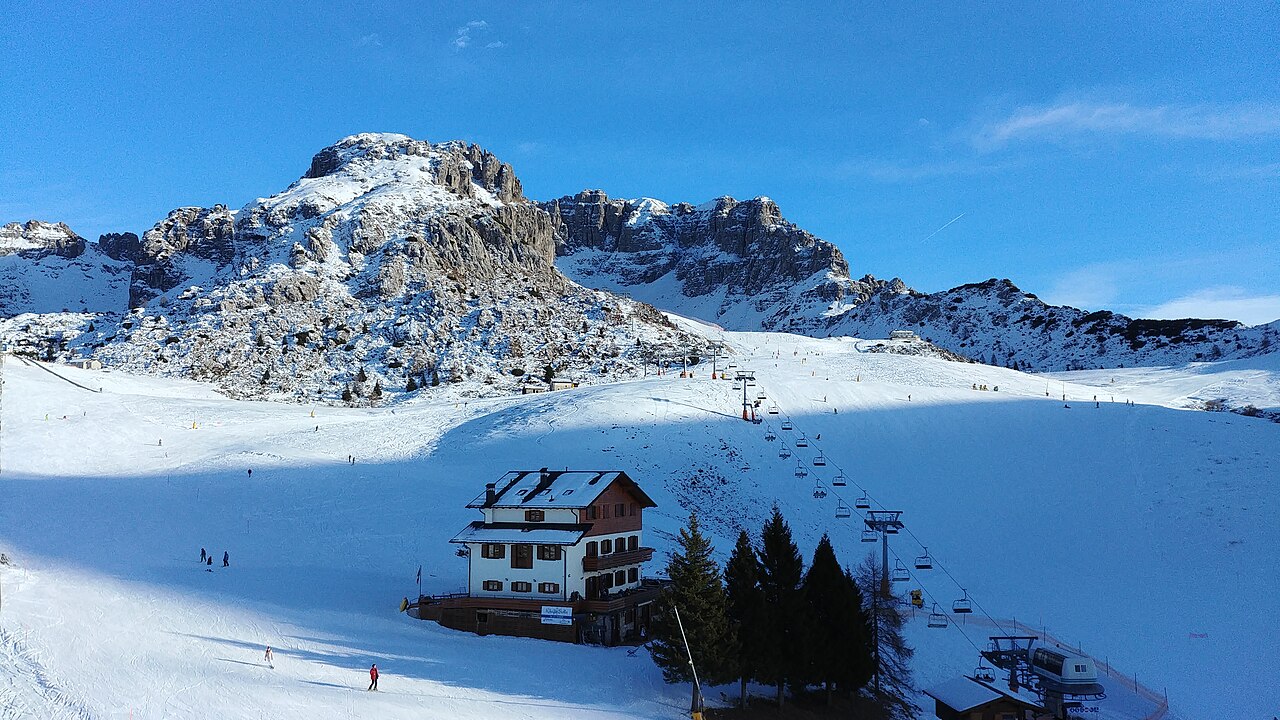
Bormio is one of the oldest and best-known names in Italian skiing, built around the Stelvio - a demanding World Cup downhill course that returned to the world stage at the 2026 Winter Olympics, hosting the men's downhill. Away from the race piste, Bormio is a genuine historic town with a spa heritage dating back to Roman times, so it suits visitors who want culture and relaxation alongside their skiing. Its skipass also covers the neighbouring Santa Caterina and Cima Piazzi-San Colombano ski areas, linked by a free ski bus, for around 117km of pistes across the Alta Valtellina. Best for: - Skiing a genuine World Cup and Olympic downhill piste - A historic spa town with thermal baths alongside the skiing - Access to the wider, three-resort Alta Valtellina skipass Read the full Bormio guide →

Livigno - duty-free shopping and a long season near the Swiss border
Livigno
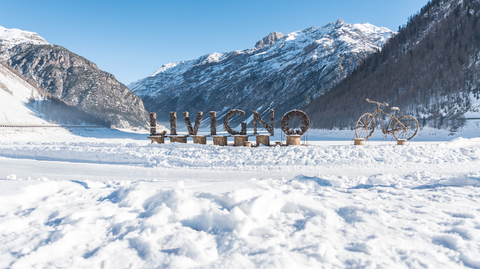
Livigno stretches along a long, high valley close to the Swiss border, with skiing split across the Mottolino and Carosello 3000 domains on either side of town. Its high valley floor and largely north-facing terrain give it one of the longer seasons in the Italian Alps, typically running from late November into early May. Livigno's other defining feature is its duty-free status, one of only a handful in the Alps, which shapes the town's shopping-heavy, laid-back character as much as its skiing does - and Mottolino's snowpark makes it a strong pick for freestylers too. Best for: - Reliable, long-season snow - Duty-free shopping alongside skiing - Freestylers, thanks to the well-regarded Mottolino snowpark Read the full Livigno guide →

How to choose between them

In pure piste numbers, the two are close: Livigno has around 115km of its own pistes across the Mottolino and Carosello 3000 domains, while Bormio's own slopes run to around 50km, extending to roughly 117km once the linked Santa Caterina and Cima Piazzi-San Colombano areas are included on the same skipass. In practice, both give you a full week's worth of varied terrain. The character is where they really differ. Bormio is a historic town first and a ski resort second, with a spa heritage, a genuine Olympic and World Cup pedigree on the Stelvio, and terrain that leans towards confident intermediates and advanced skiers. Livigno is a purpose-built ski town with a laid-back, shopping-driven atmosphere thanks to its duty-free status, wide beginner-friendly blue runs on the valley floor, and one of the longer seasons in the Italian Alps. Access is broadly similar - both are around 3-3.5 hours from Milan's airports by road. Bormio has the edge for train travellers, with a station at Tirano connected by regular bus, plus a direct seasonal weekend train from Milan; Livigno has no direct rail link at all, so a car or bus transfer is effectively required. On price, Livigno's peak-season day passes (up to around €74.50) run a little higher than Bormio's (up to around €65), reflecting its resort-town positioning, though both offer meaningful savings for booking online in advance. If you want history, a demanding downhill piste and a rest-day spa alongside your skiing, choose Bormio. If you want duty-free shopping, a longer season and easy cruising terrain for families and beginners, choose Livigno. And since they're only around 38km apart via the Munt la Schera tunnel, a longer trip based in one is entirely compatible with a day visiting the other.

Other related articles

Some links may be affiliate links, meaning we may earn a small commission at no extra cost to you. Read more.