Selva di Val Gardena vs. Corvara: Which Side of the Sella Ronda Is Right for You?
Ski guides

Selva di Val Gardena vs. Corvara: Which Side of the Sella Ronda Is Right for You?

Selva di Val Gardena and Corvara anchor the two biggest valleys on the Sella Ronda circuit - one built around a World Cup downhill, the other around gentle terrain and mountain gastronomy. Here's how to decide.

Selva di Val Gardena and Corvara are the flagship villages of the Sella Ronda's two biggest valleys, sitting on opposite sides of the Sella massif and linked directly by the circuit itself. Both are large, well-established resorts within the wider Dolomiti Superski network, and both make genuinely good bases for skiing the Sella Ronda in either direction - but the valleys around them have distinct personalities. Selva anchors Val Gardena, home to the legendary Saslong World Cup downhill and the Ladin-speaking woodcarving culture of South Tyrol's Gherdëina valley. Corvara anchors Alta Badia, a cluster of four villages built around gentler, more confidence-building terrain and some of the most ambitious mountain gastronomy in the Alps. Here's how the two compare.

Selva di Val Gardena - the Saslong and a livelier scene
Selva di Val Gardena
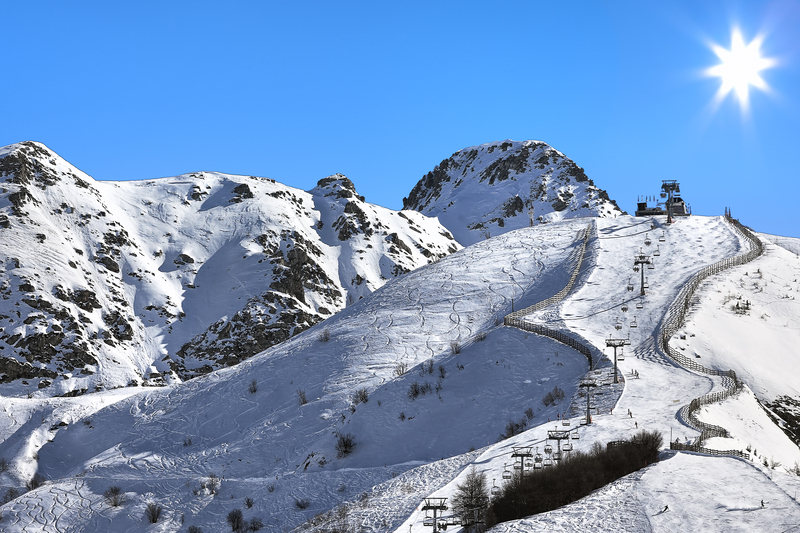
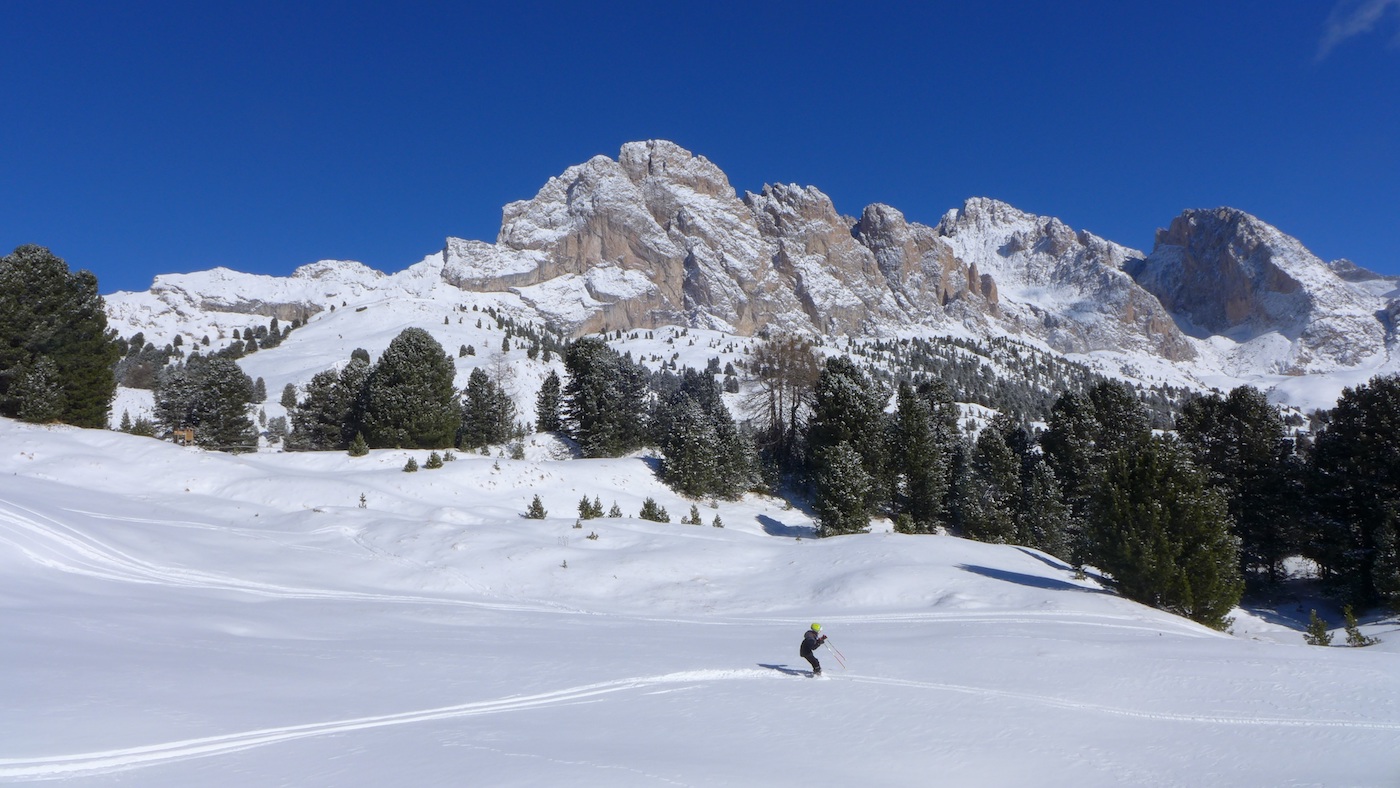
Selva di Val Gardena is one of the great names in Alpine ski racing, home to the Saslong - a legendary World Cup downhill that has hosted the men's circuit every year since 1969, with winners including Franz Klammer, Bernhard Russi and local hero Gustav Thöni. Selva's Ciampinoi gondola gives direct access onto the Sella Ronda, and the village sits in the Ladin-speaking Val Gardena, famous for a centuries-old woodcarving tradition. The valley network, shared with Santa Cristina and Ortisei, runs to around 175km of pistes, with a noticeably lively après-ski scene. Best for: skiing the Saslong World Cup downhill, direct Sella Ronda access, Ladin woodcarving culture, a livelier resort atmosphere. Read the full Selva di Val Gardena guide →

Corvara - gentle terrain and Alta Badia's gourmet reputation

Corvara
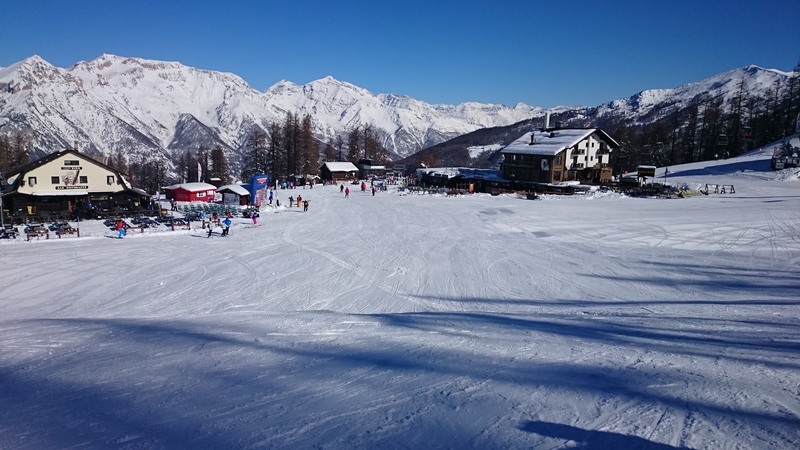
Corvara is the largest and most central village in Alta Badia, on the opposite side of the Sella massif from Val Gardena. The Col Alto chairlift climbs straight from the village centre to the Pralongià plateau - a broad, sunny bowl of wide, gentle pistes shared with La Villa and San Cassiano - and Corvara's own lifts give direct access onto the Sella Ronda. Alta Badia, linking Corvara with Colfosco, La Villa and San Cassiano for around 130km of pistes, has also built a reputation as one of the most food-focused ski areas in the Alps, hosting the Gran Risa World Cup at La Villa each December alongside Michelin-starred mountain dining events. Best for: gentle, confidence-building terrain, direct Sella Ronda access, mountain gastronomy, a central, well-connected base. Read the full Corvara guide →

How to choose between them

In piste numbers, Val Gardena has the edge - around 175km across Selva, Santa Cristina and Ortisei, against Alta Badia's roughly 130km across Corvara, Colfosco, La Villa and San Cassiano - though both are more than enough for a full week, and both sit on the same Dolomiti Superski pass and Sella Ronda circuit. Terrain character is the bigger difference. Val Gardena, and Selva in particular, leans toward confident intermediates and advanced skiers, built around the race-grade Saslong piste. Alta Badia, and Corvara in particular, is noticeably gentler - the Pralongià plateau is one of the best stretches of wide, confidence-building cruising anywhere in the Dolomites, making Corvara the more relaxed choice for mixed-ability groups or families stepping up from easy terrain. The two valleys also differ in what they're famous for beyond the piste. Selva and Val Gardena carry the deeper World Cup downhill pedigree and the strongest Ladin woodcarving heritage, with a livelier, more polished après-ski scene. Corvara and Alta Badia have built their name on food - the valley's December World Cup weekend at La Villa's Gran Risa comes paired with Michelin-starred chefs' dishes served in mountain huts across the network, a genuinely distinctive draw for food-focused skiers. If you want the bigger network, a legendary World Cup piste and livelier evenings, choose Selva. If you want gentler terrain, a more central base and some of the best mountain food in the Alps, choose Corvara. And since both sit directly on the Sella Ronda, a trip based in one works perfectly well with a day spent skiing into the other.

Other related articles

Some links may be affiliate links, meaning we may earn a small commission at no extra cost to you. Read more.